Garden Clearance in Camden Town

Garden clearance in Camden Town should be straightforward, tidy and suited to the space you actually have. We clear mixed green waste, broken outdoor items and general garden debris so borders, paths and yards can be put back into workable condition. Whether the job is a compact back yard, a shared courtyard or a fuller overgrown garden, the aim is the same: remove the unwanted material carefully and leave the area ready for the next step.
Our service is designed for domestic and commercial outdoor spaces where routine maintenance is no longer enough. That may include bags of cuttings after pruning, windblown branches, soil spoil, old timber, planters, shed contents and other exterior waste that has built up over time. If you are comparing options, ask for a quote when you are ready, and keep the work focused on the items that need taking away.
The practical benefit of organised clearance is that it reduces clutter without forcing you to sort every item beforehand. We work from the waste that is already on site, separating reusable or recyclable materials where appropriate and loading the rest for responsible removal. If you have a mixture of material types, that can be discussed in advance so the job can be planned around access, volume and disposal needs. A clear start point often makes the whole task easier to manage.
Garden waste and outdoor debris removed safely
Garden clearance usually begins with the obvious material first: branches, hedge clippings, grass cuttings, leaves, roots, bagged compost, and old planting media. After that, we can deal with heavier or more awkward outdoor waste such as broken fencing, damaged trellis, shattered pots, disused garden furniture and general junk stored outside. This keeps the service useful for customers who want one visit to deal with several kinds of garden mess rather than booking separate removals.
Where the waste is mixed, the work is normally more efficient if the load is grouped by type. Green waste may be handled differently from timber, soil, stone, or manufactured items, so an accurate description helps shape the collection plan. If you are unsure what counts as green waste and what does not, it is best to describe the items in plain language. We can then assess the likely disposal route and the space needed for loading.
Request a quotation when you have a clearer picture of what needs to go, and include any access details that might affect the collection. A note about steps, narrow side entrances, locked gates or shared access can make planning smoother. For larger clearances, it is also useful to mention whether waste is already bagged, stacked or spread across the garden.
Overgrown gardens, cutbacks and seasonal tidy-ups
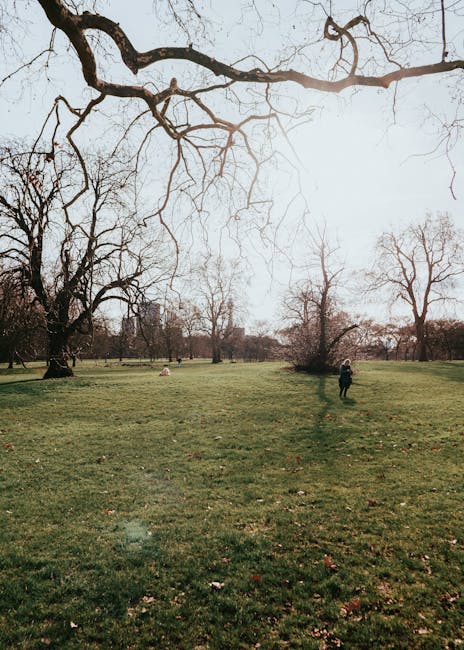
Some garden clearance jobs are less about simple uplift and more about getting on top of growth that has been left for a while. In those cases, the task may involve removing cut material after cutting back shrubs, clearing away fallen branches, lifting old plant waste and taking away the by-products of a seasonal tidy-up. The work can be arranged around the shape of the space, which matters in Camden Town where outdoor areas can be compact, enclosed or arranged across split levels.
It is often sensible to separate the clearance stage from any planting or landscaping that comes afterwards. That allows the waste to be removed cleanly before new soil, edging, turf or planters are introduced. If the garden contains both organic waste and non-organic rubbish, we can discuss how best to tackle the different categories so that disposal remains orderly. Careful sorting can save time on site and reduce confusion later.
Before booking, think about the surface conditions as well as the waste itself. Muddy paths, low branches, awkward corners and limited parking may affect how the work is carried out, even where the clearance volume is not especially large. If the space is already heavily overgrown, describing what can and cannot be reached helps shape a realistic quotation and avoids assumptions about the amount of labour involved.
What can be included in a garden clearance
Garden clearance is broader than simple green waste removal, and many customers need a mixture of outdoor and household items taken away together. Typical inclusions can cover broken sheds, old paving offcuts, damaged plant pots, garden ornaments, rotten timber, unused barbecue equipment and packaging left behind after work in the garden. Where appropriate, we can also remove items from garages or side returns that have been used as overflow storage for outdoor waste.
Useful items to mention when asking for a quote include the rough volume, any especially heavy pieces, and whether anything may need to be dismantled before lifting. If there are materials that should stay on site, make that clear at the start so the collection can be targeted correctly. This is especially helpful when a garden contains both things to be kept and things to be cleared from around them.
- Branches, hedge clippings and leaf build-up
- Old plant containers, bags of soil and compost
- Broken outdoor furniture and timber offcuts
- General rubbish stored in sheds, yards or borders
- Mixed exterior waste from tidy-up and clearance work
Planning a collection around access and loading

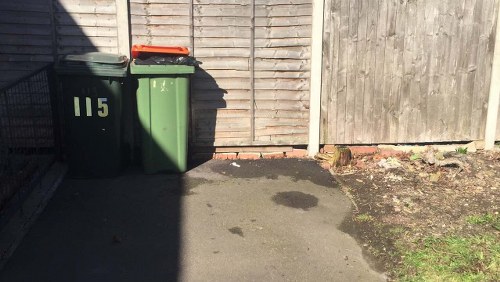
Clearance work becomes easier when the access route is understood early. A side alley, rear gate, basement yard or communal passage may each require slightly different handling, especially if waste has to be carried rather than moved straight out to a vehicle. In a busy part of Camden Town, being clear about where items are stored and how they can be reached helps the work proceed without unnecessary delay.
For that reason, a good enquiry usually includes a short description of the site layout. Tell us whether items are at the front, back or within a communal garden, and whether there are any narrow points, steps or locked entryways. If the clearance involves a mixture of bags, loose branches and bulkier pieces, that information can influence how many people and what sort of loading approach is needed.
Two simple checks can make the process easier: first, decide what should go; second, make sure it can be identified when the team arrives. If you are still sorting through items, try to group the waste by type rather than scattering it around the garden. That makes a quotation more accurate and the collection more efficient, especially where the outdoor space is tight or shared.
Garden clearance for homes, lets and managed properties
Many properties need garden clearance at different points in the year, not just after major work. A let property might need an outdoor reset between occupants, a family home may need old items removed before improvements, and a managed building might need shared external storage cleared after a build-up of unused material. The service can be adapted to suit these different settings without turning the job into a one-size-fits-all removal.
If the garden is part of a property that has multiple users, it helps to know who has authority over the space and whether any neighbours or tenants need to be considered before work begins. That does not need to become a long explanation; it simply helps ensure the correct area is cleared and that there is no confusion about what should remain. Clear instructions often prevent avoidable rework.
Ask for a quotation once the main items are identified, and note any timing issues that matter on the day. For example, a collection may need to fit around access to the rear of the building, shared bins, or other planned maintenance. Keeping the focus on the actual waste and the conditions around it is usually the best way to keep the arrangement practical.
About Camden Town
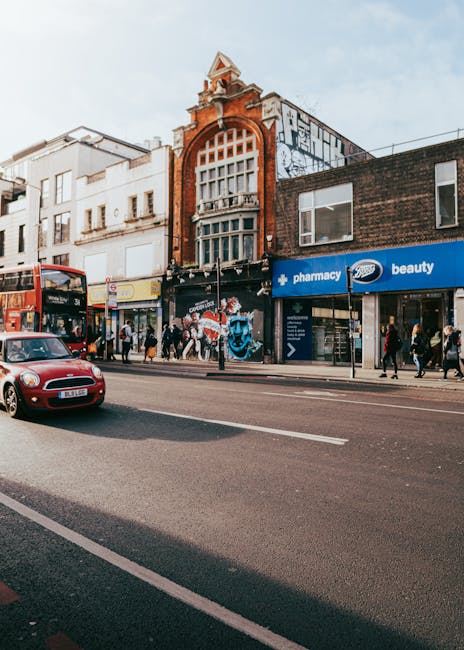
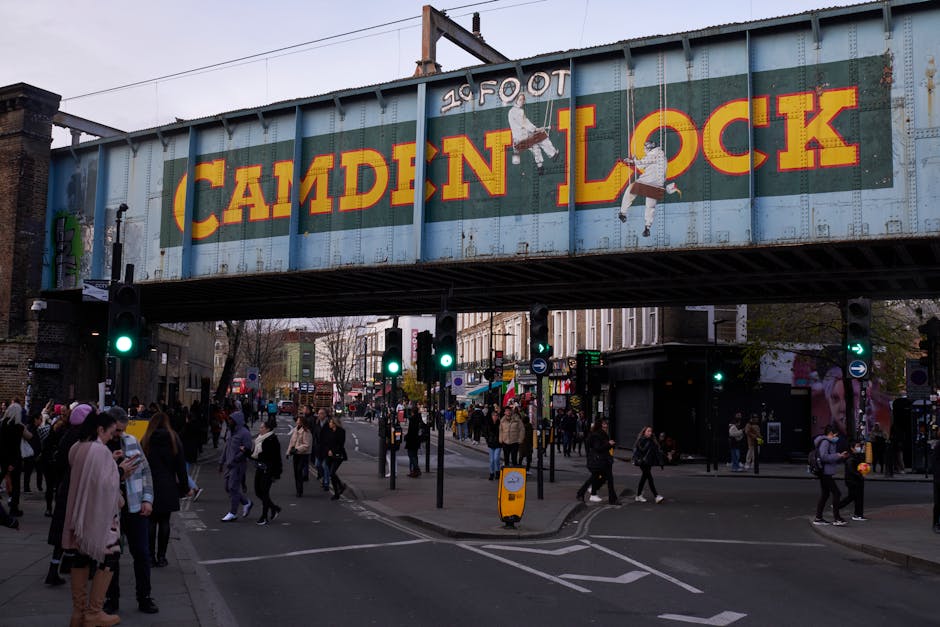
Camden Town is a well-known district in north London within the London Borough of Camden, centred around the historic Camden High Street and the Regent’s Canal corridor. The area developed rapidly in the nineteenth century after the opening of the Regent’s Canal in 1820 and the arrival of rail links, becoming tied to industry, transport and later markets and entertainment. Its urban character is shaped by a dense mix of terraces, mansion blocks, converted buildings and busy commercial streets, with many routes funnelling toward Camden Town station and the surrounding crossroads. The canal remains one of the area’s defining features, and the locks, towpaths and bridge crossings give the district a strong sense of movement and layering between older infrastructure and modern streetscape. Camden Market and the wider market quarter have become closely associated with the area, drawing together retail, food, music and visitor traffic. Nearby public spaces such as Regent’s Park lie to the south-west, while Primrose Hill and the broader network of canals and small streets help frame Camden Town as part of a wider inner-London landscape. The area has also long been linked with live music and nightlife, adding another cultural dimension to its streets and public places. Its combination of waterways, transport, shopping and historic fabric makes it one of the capital’s most recognisable urban neighbourhoods.
Pricing factors and quotation details
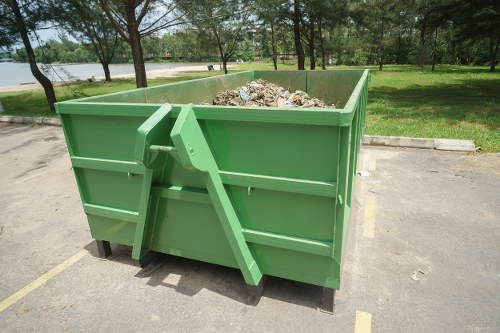
Prices for garden clearance depend on practical details rather than a fixed rule. Volume, access, the type of waste, and whether the material is loose or already bagged all influence the amount of labour and loading involved. Heavy items such as soil, rubble or wet green waste may also affect the overall plan because they are harder to move than lighter cuttings or empty containers. If the clearance includes both garden and non-garden material, that can change the handling approach too.
When you ask for a quotation, it helps to give a clear description of the space and the waste as it stands. Photos can be useful if they show the scale of the job, but a short written summary is also valuable because it can mention things photographs may miss, such as rear access, stairs or a narrow passage. If items are stacked in several parts of the garden, say so, as that can alter the loading sequence.
Keep the enquiry focused on the main facts: what needs removing, where it is, and whether there are any restrictions. That is usually enough to create a sensible estimate for the work. Get in touch for a quotation when you are ready to move forward, and include any access notes so the job can be planned accurately from the outset.
Garden clearance alongside timber, fixtures and stored items
Outdoor areas often collect more than plants and soil. Over time, they may become the place where broken chairs, collapsed shelving, damaged fence panels, empty pots, old tools and spare fixtures end up. A proper garden clearance can deal with these items together, which is useful when the goal is to reclaim the whole space rather than simply remove the obvious green waste.
Some materials need a little more thought before they are loaded. Sharp timber, splintered panels or rusted metal objects should be handled carefully, and anything that has become unstable may need to be moved in stages. If there are items that you suspect may need dismantling, it is better to mention them in advance rather than wait until the day. That lets the job be planned around the safest way to remove them.
If the garden also contains items that are still in use, separate them clearly from the waste before collection day. That helps avoid accidental removal and keeps the clearance focused. For mixed outdoor storage, a straightforward description of what is rubbish, what is reusable and what should remain on site is often the simplest and most useful starting point.
Why organized garden clearance matters
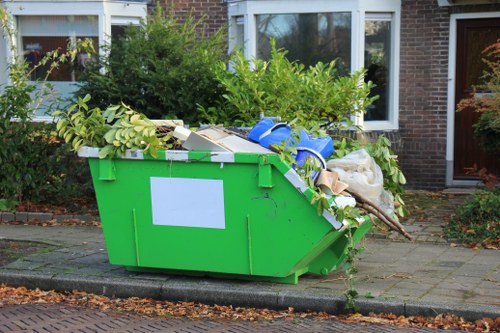
Organised clearance is useful because it deals with waste in a way that suits the space and the material. Rather than leaving piles of branches, bags and broken items to be dealt with later, the work removes them in one planned visit. That can help restore access to paths, borders and seating areas, and it can also make follow-on work easier if the garden is due for maintenance, replanting or repair. A well-managed clearance is not about changing the character of the garden; it is about removing what no longer belongs there.
This approach also makes it easier to separate different waste types for responsible disposal. Green waste, timber, hard materials and general rubbish may each need different handling, and sorting them at source helps keep the job efficient. If the space has been used as a storage point for several seasons, a careful clear-out can reveal what is still useful and what has simply been left behind. That clarity is often just as important as the removal itself.
When you are ready, ask for a quote and give a brief outline of the job. If the waste is spread across different parts of the garden, say so; if it is all in one spot, mention that too. The more clearly the site is described, the easier it is to plan a practical garden clearance in Camden Town.